Guitar Bags Best Buys
At one time the only guitar bags that anyone used were hard cases. Guitarists and bassists would drag hard cases to each performance because they offered the best protection, regardless of how cumbersome they were. When the guitars were not in use they lived in their hard cases for protection and to keep the instrument at a more constant temperature.
Perhaps a favourite go-to guitar lived on a chair or sofa in your sitting room. This may still be the way things are today but more guitarists are choosing to take their guitars ‘out-out’ in gig bags for ease of carrying.
When I started out, gig bags were really just a cover that didn’t offer any real protection. That’s probably why hard cases were the only guitar bags in town for transporting your pride and joy to gigs and rehearsals.
Today most gig bags are padded, have backpacker straps (or strong handles) and have plentiful pockets to hold straps, cables, tuners, iPads and other necessities for the modern musician.
In the old days you generally bought your guitar and guitar bag separately. If you buy a £1,000-1,500+ guitar today it will usually come with a hard case; many mid-priced guitars will also come with a guitar bag, although this tends to be a (manufacturers branded) gig bag.
Gibson, Fender and PRS all provide excellent padded gig bags with their mid-priced guitars, as do many others and these tend to be of high quality.
Even if you have a £3-8,000 guitar it may be more convenient to take your guitar to a gig or rehearsal in a guitar bag. You’ll see later that there are guitar bags available for this level of guitar too.
What to look for when you’re shopping for guitar bags
If you’ve ever looked for a gig bag, you’ll know that the market for guitar bags is large and well populated but all guitar bags are not built the same. Here are my tips on what to look for in each price range.
- Entry level guitar bags. Look for a gig bag with at least 10mm padding, back pack straps and pockets. Some of the best brands include, Ritter, TGi, Cobra, TOURTECH, Kinsman, Roksak, Gator and Proel. These are all priced at £16-40, depending on the type of guitar (electric and acoustics of different sizes).
Guitar bags in this price range are good enough for taking your guitar to school or an open mic where it’s the only thing you are transporting. The guitar bag will give your guitar protection from colder temperatures and rapid changes to temperatures; something that will throw out the setup of your guitar massively if it is not protected. That said, don’t leave the guitar in the boot of your car whether it’s in a padded guitar bag or not because it will suffer.
At the low end of the market, all guitar bags suffer from a couple of common problems which limits their useful life to just a few years. First, the zips fail; either the tab comes off or the teeth no longer engage.
The next issue is that the strap button on the bottom of the guitar wears through the bottom of the bag and eventually breaches the padding and the outer material. This will lead to rips and tears and in extreme cases could allow your guitar to fall through the bottom.
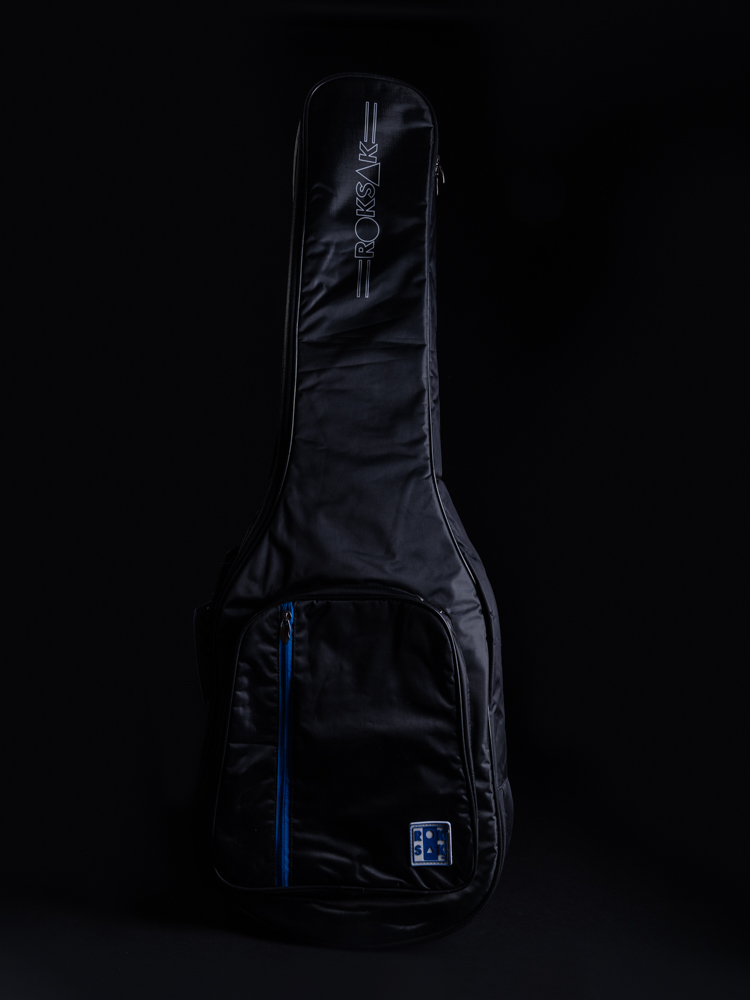

- Mid-range bags. Most of the brands I’ve already mentioned also offer a range that has 20mm padding too. This is the next level of protection with twice as much padding.
The Die Hard DH Pro-Stage brand of guitar bags in the Armor Essential range is one such example. Prices for these guitar bags range from £30-90. If you put your guitar in the back of a van or the boot of a car with other gear like amps and mic stands, etc., these bags are a good bet.
They’re also effective if you take your guitar on an aeroplane, as long as you can put it in the overhead compartment or a wardrobe on the plane. They’re NOT suitable for checking in the hold. I would only ever recommend a flight case is used for this.

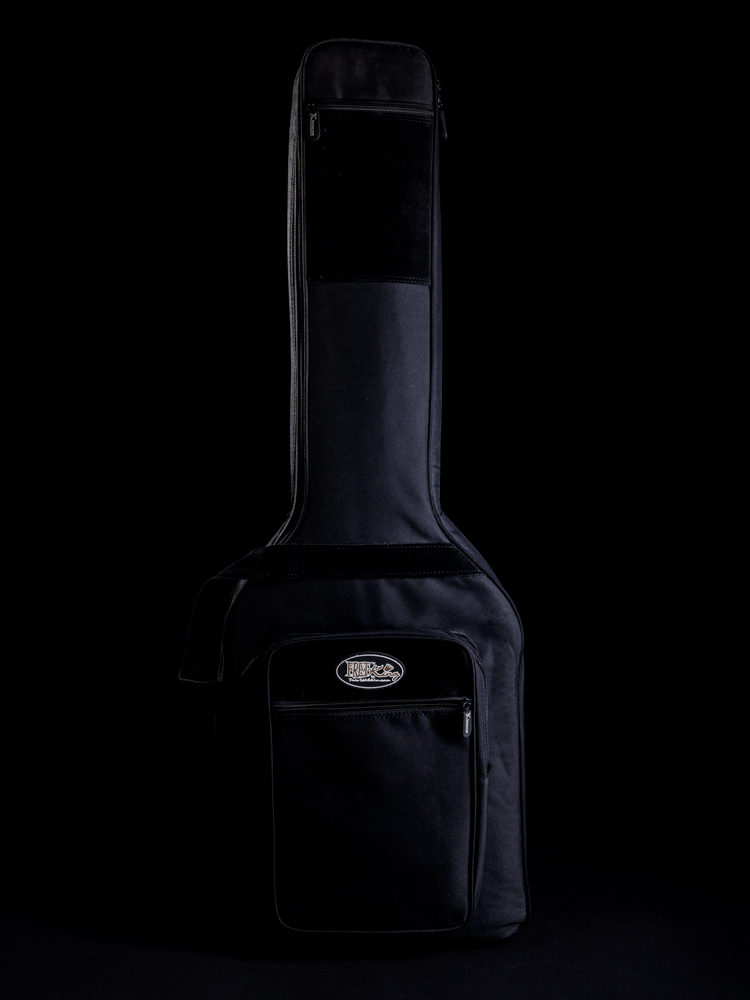
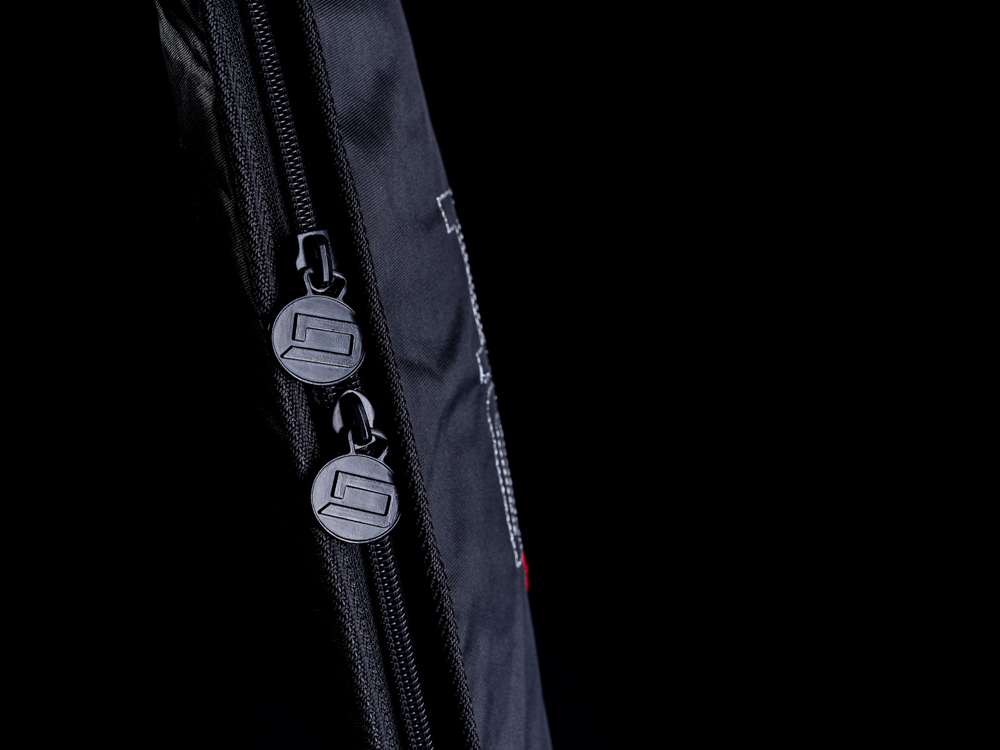
- Pro-level gig bags. Professional level guitar bags are commonly reinforced with board or polystyrene foam as well as foam padding. These products have thick rubber coverings at the bottom of the guitar and also support the strap button to prevent it tearing the fabric of the bag.
Pro bags are the closest thing I’ve found to a hard case. If you’re a musician wanting to transport a valuable guitar in a more portable guitar bag, the pro bag is ideal.
A couple of specific manufacturers worth checking out are the Mono Company’s ‘Sleeve’ and ‘Vertigo’ products. These are between £140-200. The Die Hard DH Pro Stage Armor Range has the ‘Essential’ bag at about £80-90 and the ‘Armor Premium’ for around £140.
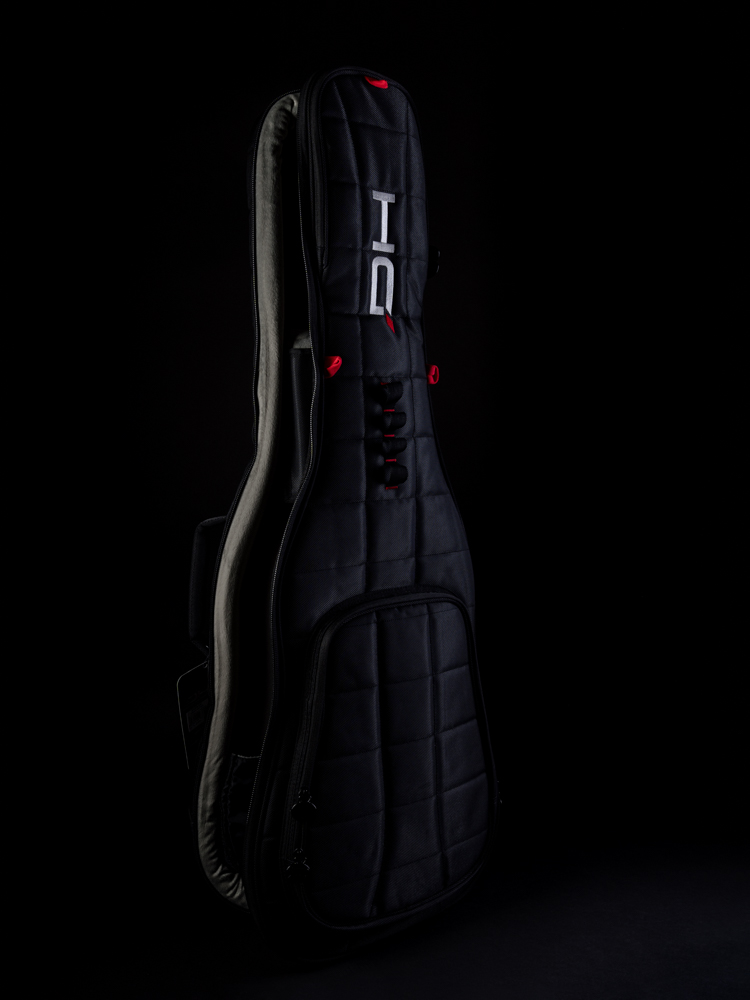

There are, of course, other guitar bags that are somewhere between a gig bag and a hard case. Check out the Kinsman Hard Foam range, for instance. £40 -70 gets a board outer with a hard foam padding inner that is light enough to wear on your back and has plenty of protection.
If you’re a gigging musician, you can also get guitar bags that hold two electric basses or electric guitars. These coming in at around £200+.
Hopefully I have given you some pointers for choosing your next guitar bag and set your expectations for price. You will always find cheaper products out there, especially at the entry level. But beware of false economies. £20 every three years is better than £12 every six months. Not to mention the potential for a disaster and the cost of a repair or new guitar.
Bags and cases are meant to protect our prized possessions so spend as much as you can afford. If you’ve got any specific questions on gig bags or anything else guitar related, email service@bbzguitars.co.uk
You can find more information on BBZ guitar services in High Wycombe and Buckinghamshire here.
Follow us on Facebook or Twitter for news and offers from BBZGuitars. If you’ve got any other questions about guitar bags, why not apply to join the BBZ Guitar Fix Group on Facebook and pose your questions in the group.